
 Live Chat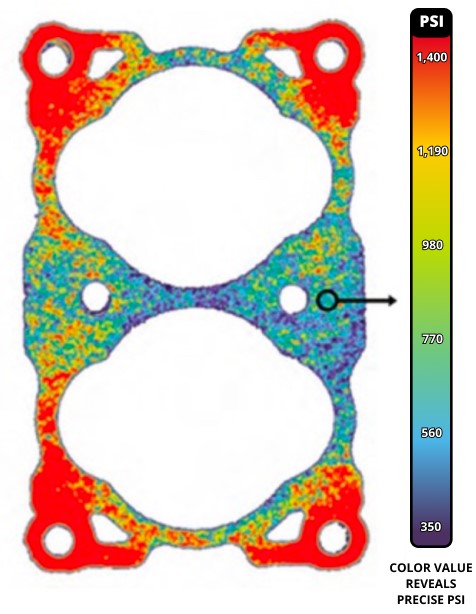

Static, Nip Impression Paper
EZ-Nip® is a thin color changing pressure activated paper used to detect uneven nip rollers in paper making and converting machinery. EZ-Nip® determines the actual working, static nip width between two mating rolls. The paper immediately changes color upon the application of pressure, enabling the user to easily analyze/measure the nip “footprint” (nip width) both visually or, for more intense scrutiny, with a ruler or micrometer. EZ-Nip® is a self contained single sheet system making it useable by just one person, and can easily be encased for waterproofing purposes.

DigiNip® Roller Alignment Instrument
DigiNip® is a powerful new system that allows the quick and easy diagnosis of roller conditions � the nip contact point. With minimal investment and no prior experience a user can quickly and accurately record spot nip (contact point between rollers) measurements at any section of your web or sheetfed process. DigiNip® sensing capability is as sensitive as its case is durable � its ergonomic shell is impact hardened and water resistant.

Static, Electronic, real-time Nip Impression System
With Sigma-Nip® you are able to calculate and record nip width at multiple points across your rollers face length in real-time with unprecedented speed, accuracy and repeatability. The new Sigma-Nip® system is not only more accurate, but can work under higher pressures and harsher heat and moisture conditions than previously attainable. Sigma-Nip® consists of a series of thin-film resistive ink pressure transducers on a carrier sheet. As this carrier sheet is loaded between your rollers the Windows-based software assimilates the readings into easily interpretable graphical images – all in real-time.

Handheld Roller Alignment Instrument
Sigma-Nip® P-Series is a powerful new Windows based system that allows the quick and easy diagnosis of roller conditions � namely the measurement of nip contact pressure. With minimal investment and no prior experience a user can quickly and accurately record spot nip pressure (contact point between rollers) at any section of your web or sheetfed process.
Shoe Press Profiler®
The Shoe Press Profiler® easily allows any technician to quickly and easily capture an extremely high resolution pressure reading of the shoe press. Used on conjunction with pressure indicating films, the Shoe Press Profiler® provides instantaneous and intuitive reports that reveal a wealth of statistical data about your pressure profile. Unlike other pressure systems there is no complicated calibration nor extensive expertise required for replacement of the sensor system.

Nip Impression Film Scanner
The Auto-NIS® is a revolutionary Windows®-based system that enables the interpretation and analysis of nip impression films. Using Auto-NIS® to analyze your nip impression films aids in ascertaining proper roller crowning and parallelism. Auto-NIS® can scan impression film of any length capturing all of the data across the film’s width. A key feature of the Auto-NIS® software is the ability to view the entire nip length as a high resolution spectral image. Recorded information can be displayed in several different formats such as an XY graph of PSI and PLI versus roller cross directional length, moving average data and trend analysis. As Auto-NIS® scans and interprets your nip impression film, it assimilates the data into any easy-to-read graphical format. The final product of the analysis is a line graph portraying pressure versus nip cross direction as well as a moving average and trend analysis line.